
Signs of Low Testosterone in Men Over 35
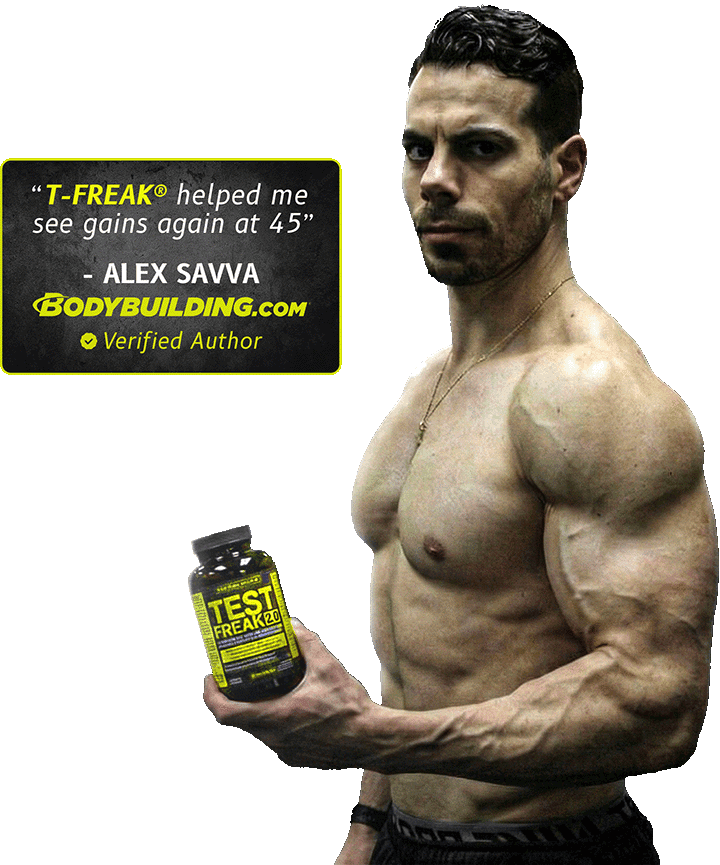
After 35, testosterone falls by roughly 1% a year — and for a lot of men it shows up as a slow, hard-to-name decline rather than one dramatic drop. Here are the signs worth paying attention to, and — just as important — how to tell genuine low testosterone from the ordinary fatigue of a busy, under-slept life.
The 7 signs to watch
- Energy that never fully comes back. Not one bad night — a persistent flatness that coffee doesn't fix.
- Lower sex drive. One of the more specific signals when it's a real change from your baseline.
- Mood and motivation dropping. More irritability, less drive, a shorter fuse.
- Strength and recovery sliding. Same training, worse results; workouts take longer to bounce back from.
- Stubborn belly fat. Low testosterone and excess midsection fat feed each other in a loop.
- Worse sleep. And since testosterone is made largely during sleep, this becomes a vicious cycle.
- Brain fog. Harder to focus, harder to stay sharp through the day.
The catch: these overlap with lifestyle
Here's what most articles won't tell you — every one of those symptoms is also what chronic sleep debt, high stress, excess body fat, and being out of shape produce, at any testosterone level. So before you conclude "it's my T," ask honestly: are you sleeping 7+ hours, training, and not carrying a lot of extra fat? If not, the symptoms may be lifestyle wearing a testosterone costume.
How to actually know
Symptoms point; bloodwork confirms. Ask your doctor for total testosterone, free testosterone, and SHBG — ideally a morning draw, when levels peak. Reference ranges for total T typically run ~300–1,000 ng/dL, but "in range" and "optimal for how you feel" aren't the same thing; many men sit in the low-normal band and feel exactly as flat as the number suggests. Test before and after you make changes so you're measuring, not guessing.
What to do first
The highest-ROI moves are free and work regardless of where you start: fix sleep, lift heavy (don't skip legs), get leaner, eat enough fat and protein, and manage stress and alcohol. We lay out the full playbook in how to boost testosterone naturally after 35. Once those fundamentals are handled, a fully-disclosed support formula like Test Freak 1.0 can compound the result — but it's the last layer, not the first.
When to see a doctor
If symptoms are significant and bloodwork comes back genuinely low across repeat tests, that's a conversation with a physician — potentially about medical treatment (TRT), which is a different path from natural optimization. Supplements and lifestyle are for supporting healthy testosterone, not treating a diagnosed deficiency. When in doubt, get tested and get advice.
Test Freak 1.0
Natural testosterone support built for men 35+ — to run alongside the sleep, training and nutrition that do the heavy lifting.
This article is for educational purposes only and is not medical advice. Dietary supplements are not intended to diagnose, treat, cure or prevent any disease. Consult a qualified healthcare professional before starting any supplement, especially if you have a medical condition or take medication.