
Do Testosterone Boosters Actually Work?
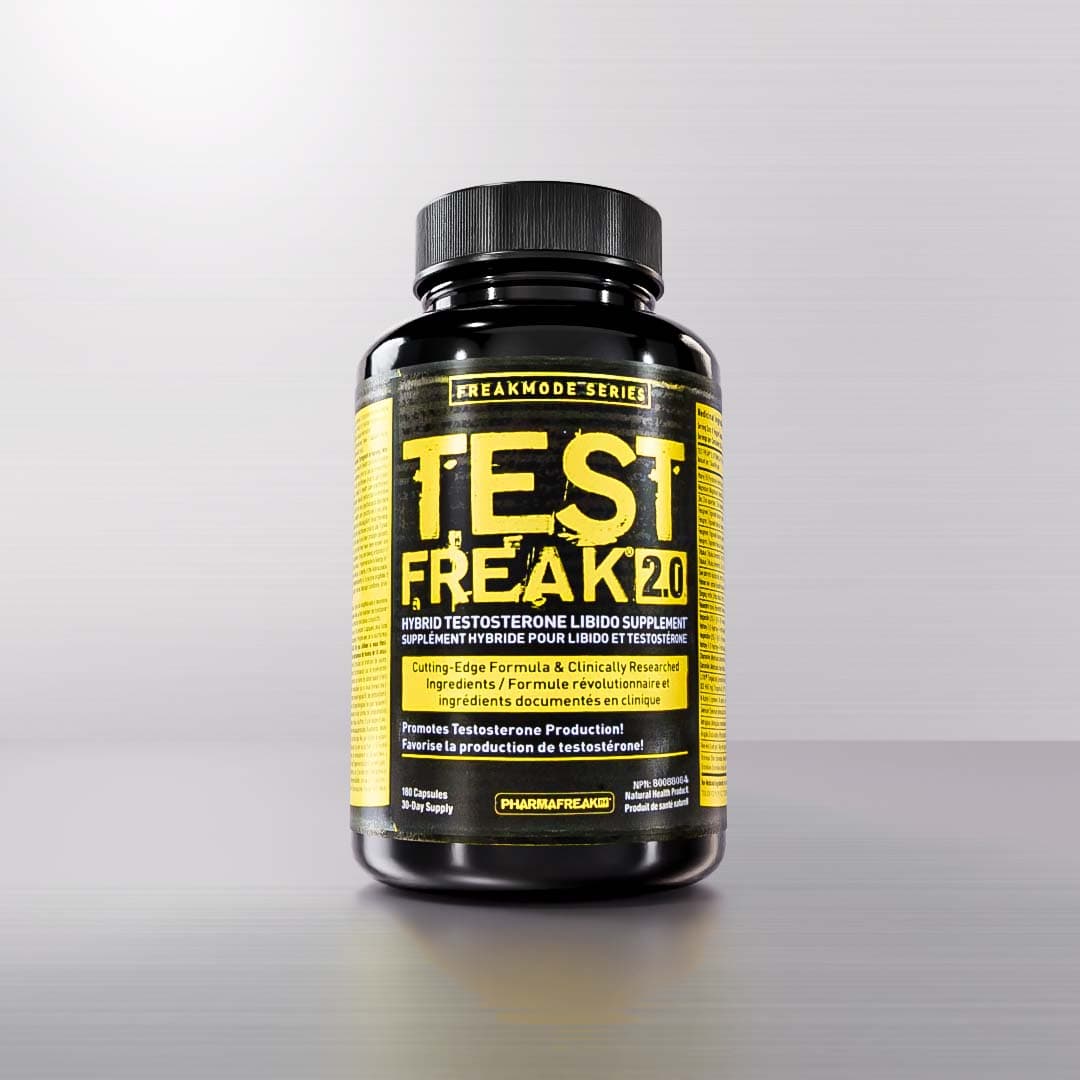
Let's answer the question you actually came here for, honestly: most "testosterone boosters" on the shelf don't do much. The category is full of hidden "proprietary blends," under-dosed ingredients, and hype with no human research behind it. But that's not the whole story — because a handful of ingredients do have real evidence. The trick is telling the two apart.
Why most boosters disappoint
Three things sink the typical product:
- Proprietary blends. If a label lists a "3,000 mg blend" without telling you how much of each ingredient you're getting, you can't know whether the effective ones are dosed anywhere near the studied amount. Usually they aren't.
- Ingredients with no human data. Plenty of "test boosters" are built around compounds that look impressive but were never shown to raise testosterone in men.
- Marketing over mechanism. Bold claims ("469% more testosterone!") rarely survive contact with the actual study they're pulled from.
What the evidence actually supports
Here's where boosters earn their keep — and it's less exciting but more real:
Correcting deficiencies (the strongest case)
If you're low in zinc, magnesium, or vitamin D, correcting that deficiency can meaningfully support testosterone. If you're already replete, the effect shrinks. These aren't sexy, but they're the most reliable levers in the category — and deficiencies are common, especially in men who train hard and sweat a lot.
A few botanicals with human trials
Ashwagandha (lowers cortisol, with studies linking it to improved testosterone and recovery in stressed or training men) and fenugreek (multiple trials on free testosterone and vitality) are the better-researched botanicals. D-aspartic acid is more mixed — we dug into the DAA evidence here, and the short version is: not a reliable standalone. We cover the full evidence tier in the ingredients that actually work.
What to be skeptical of
- Tribulus terrestris as a testosterone raiser — popular, but the human evidence is weak.
- Any product that won't disclose its doses.
- "Boosters" promising huge, fast percentage gains — that's a marketing number, not a realistic outcome.
How to tell a real one from a gimmick
Three checks, before you buy anything:
- Fully disclosed doses — every ingredient amount visible, no hidden blend.
- Clinically studied amounts — the doses match what the research used, not a pixie-dusted fraction.
- Multi-pathway, not kitchen-sink — a focused formula that combines deficiency-correctors with evidence-backed botanicals beats a label crammed with 30 unproven extras.
So — do they work?
A well-formulated, honestly-dosed supplement can genuinely support your testosterone — especially if you're over 35, deficient in a key nutrient, or under chronic stress. But it works as the last 10%, not the first 90%. No capsule out-runs bad sleep, no training, and a poor diet. Get those right first (here's the order of operations), then a good formula compounds the result — over a realistic 8–12 week timeline, not overnight.
That's exactly the standard we hold Test Freak 1.0 to: every one of its 10 ingredients disclosed at its exact dose, with Fenugreek, Zinc and Magnesium — the correctors and botanicals that survive an honest look at the evidence — leading the formula.
Test Freak 1.0
A fully disclosed, 10-ingredient natural testosterone support formula — led by Fenugreek, Zinc and Magnesium, the correctors with the strongest human evidence.
This article is for educational purposes only and is not medical advice. Dietary supplements are not intended to diagnose, treat, cure or prevent any disease. Consult a qualified healthcare professional before starting any supplement, especially if you have a medical condition or take medication.