
How Long Does a Testosterone Booster Take to Work?
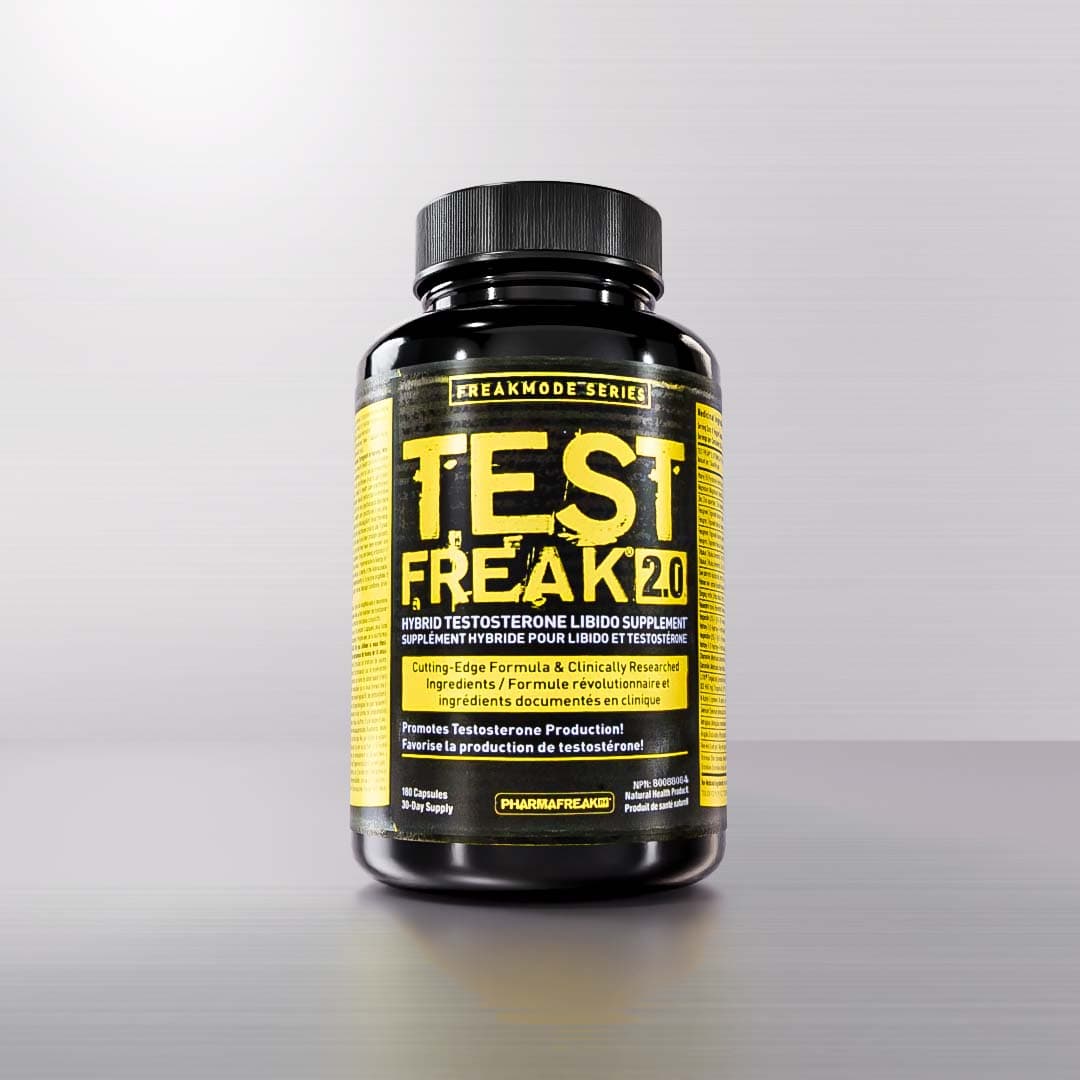
Here's the answer nobody selling supplements wants to lead with: a natural testosterone booster is not a stimulant, and you will not "feel it" on day one. The ingredients with real human evidence were studied over 8–12 weeks — so that's the honest window to judge one in. Here's what a realistic timeline actually looks like, week by week.
First, set the right expectation
A pre-workout hits in 30 minutes because caffeine is acute. Testosterone support works differently — the better-studied ingredients (ashwagandha, fenugreek, zinc, magnesium, vitamin D) work by lowering cortisol, correcting deficiencies, and supporting the hormonal machinery over time. That's a gradual curve, not a switch. If a product promises you'll "feel the surge in 24 hours," that's marketing — or a stimulant hiding in the formula. We covered which ingredients actually hold up if you want the evidence breakdown.
Weeks 1–2: mostly groundwork
Don't expect much yet — this is the loading period where blood levels of the actives build. What some men do notice early comes from the stress-and-sleep side: ashwagandha's cortisol-lowering effect can show up first as slightly better sleep and a calmer baseline within the first couple of weeks. If you were deficient in magnesium, sleep quality is often the first domino there too. Subtle, but real.
Weeks 3–4: the first genuine signals
This is where correcting deficiencies starts to pay. If low zinc or vitamin D was dragging you down, you may notice steadier energy through the day and better training sessions. Some men report the first uptick in drive around here. If you notice nothing at all yet, that's still normal — the fenugreek and ashwagandha trials that showed changes in testosterone and vitality mostly ran 8–12 weeks, so you're not even halfway through the studied window.
Weeks 5–8: the studied window opens
This is the stretch where the human research actually measured differences — libido, recovery between hard sessions, motivation to train, and morning energy are the usual first movers. Strength gains attributable to hormonal support (rather than just training) also start becoming plausible here. Keep the variable count low: same product, every day, no skipped weeks.
Weeks 8–12: judge it here, ideally with bloodwork
By now a well-dosed formula has had the same runway the studies gave it. This is the honest checkpoint: compare against your baseline — energy, drive, recovery, body composition, and ideally a repeat morning blood draw (total testosterone, free testosterone, SHBG) to put numbers on it. If you tested before starting, you're measuring instead of guessing. If nothing has moved on any front after 12 consistent weeks, stop paying for that product.
What makes the timeline faster — or kills it
- Sleep is the multiplier. Testosterone is made largely during sleep. Five-hour nights will flatten the effect of any formula, on any timeline.
- Training and body fat. Heavy compound lifting supports the response; carrying a lot of excess fat works against it. The natural playbook and a supplement compound each other.
- Where you started. Men who are deficient, over 35, stressed or under-recovered tend to notice more, sooner. If your levels and lifestyle are already dialed, changes will be subtler.
- Dosing honesty. An under-dosed proprietary blend doesn't work on a longer timeline — it doesn't work on any timeline.
How to know if it's actually working
Feelings drift; data doesn't. Before you start, note your baseline — how you sleep, train, recover, and ideally morning bloodwork. If you're not sure your baseline is even a testosterone problem, start with the real signs of low testosterone before buying anything. Then run one formula, daily, for 8–12 weeks and re-check. That's exactly how we'd tell you to evaluate Test Freak 1.0 too: fully disclosed doses, taken consistently, judged over the same window the research used — not three days of wishful thinking.
Frequently asked questions
How long does it take for a testosterone booster to work?
Why don't I feel my testosterone booster working?
Should I take a testosterone booster every day?
Test Freak 1.0
A fully disclosed, 10-ingredient natural testosterone support formula — built to be run consistently for the 8–12 weeks the research actually used.
This article is for educational purposes only and is not medical advice. Dietary supplements are not intended to diagnose, treat, cure or prevent any disease. Consult a qualified healthcare professional before starting any supplement, especially if you have a medical condition or take medication.